UCSF Dental School Acceptance Rate
The UCSF dental school acceptance rate, explained. Compare your GPA and DAT to admitted students and learn how to apply for the 2026-27 cycle.
Posted October 2, 2026


Table of Contents
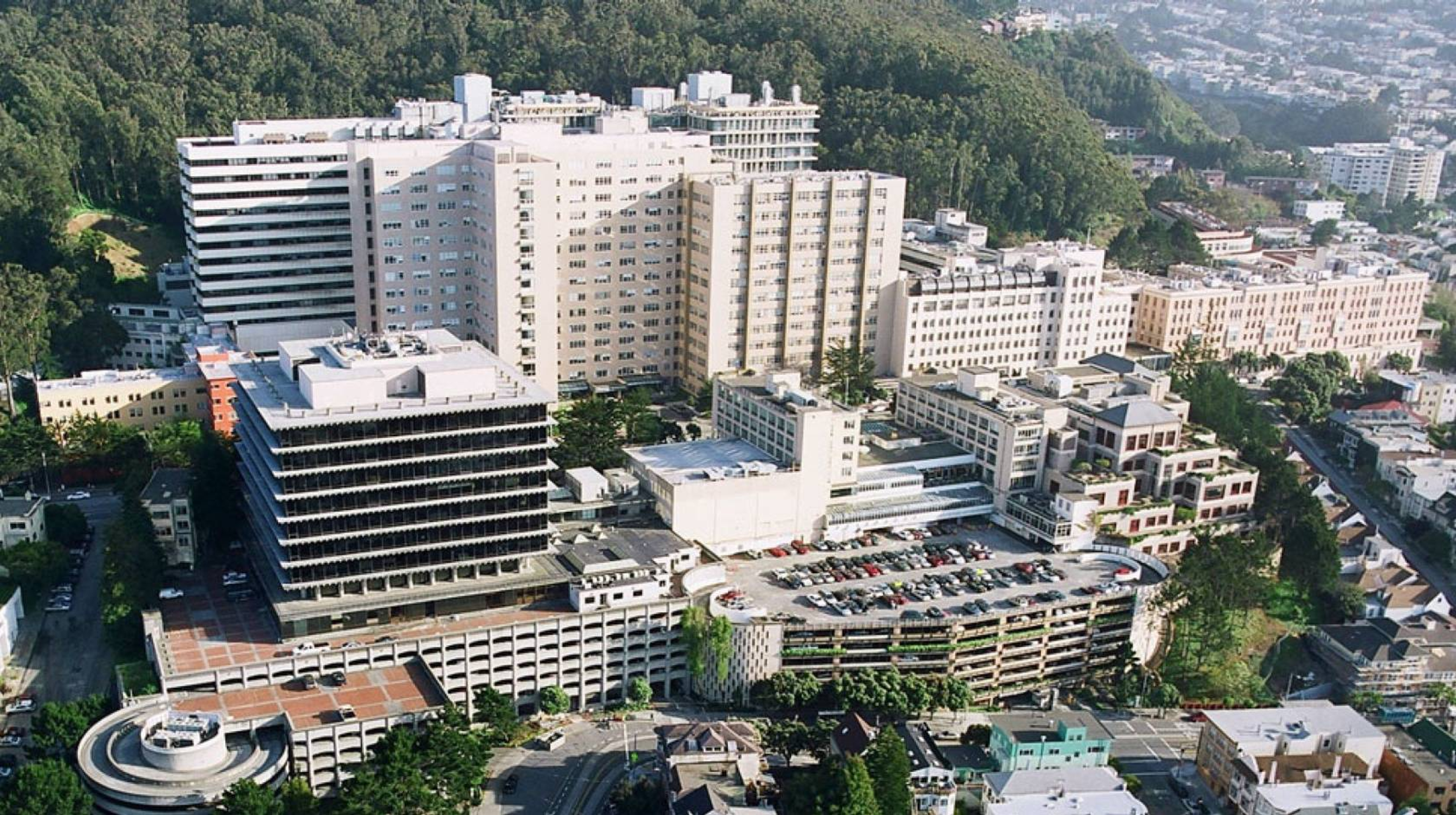
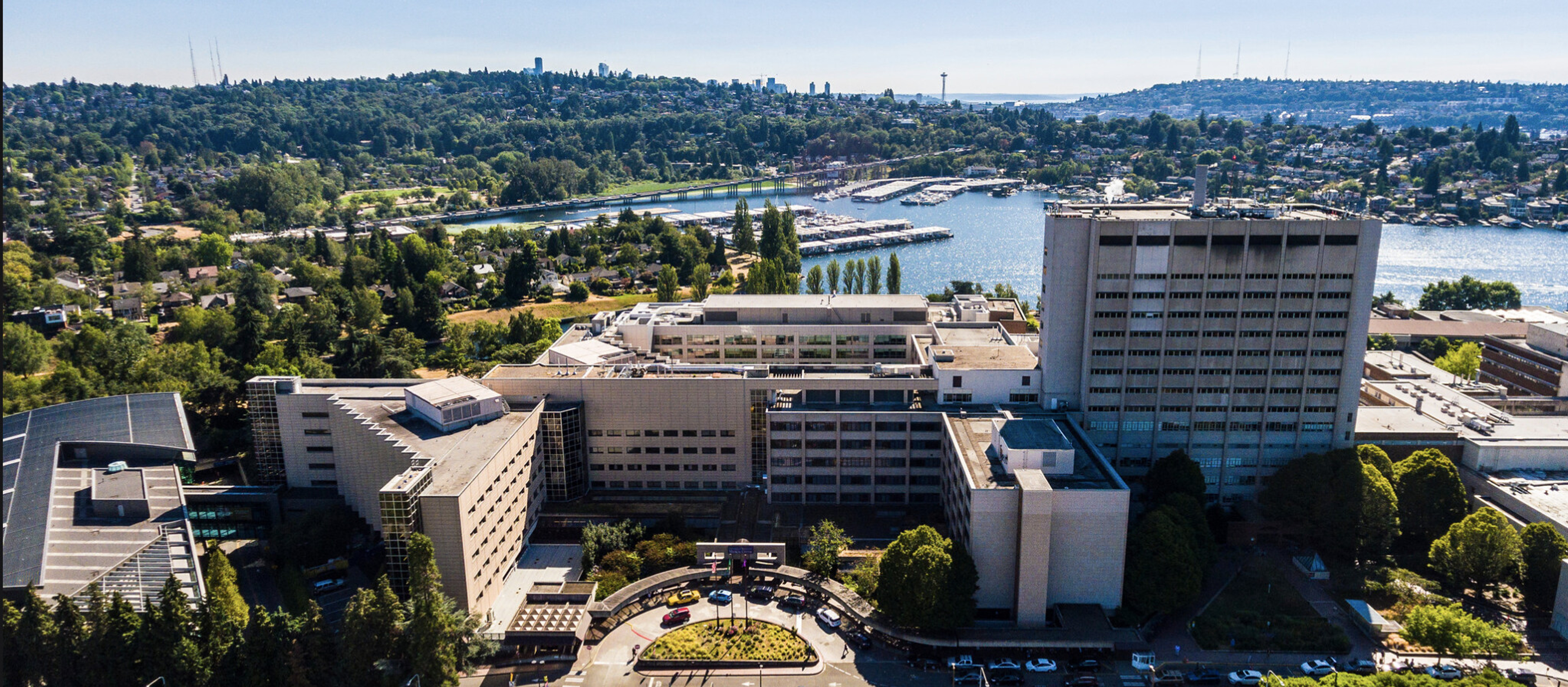
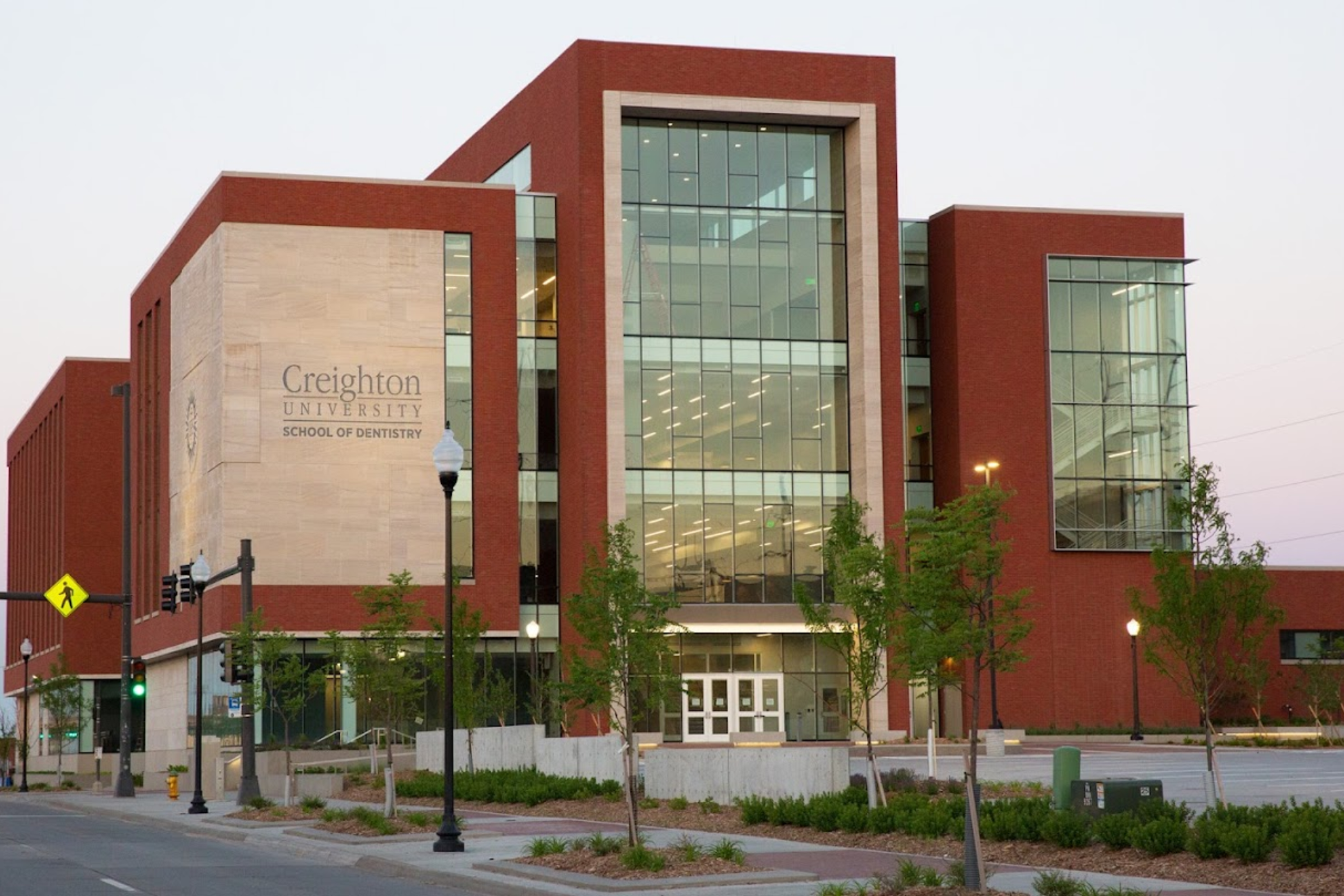
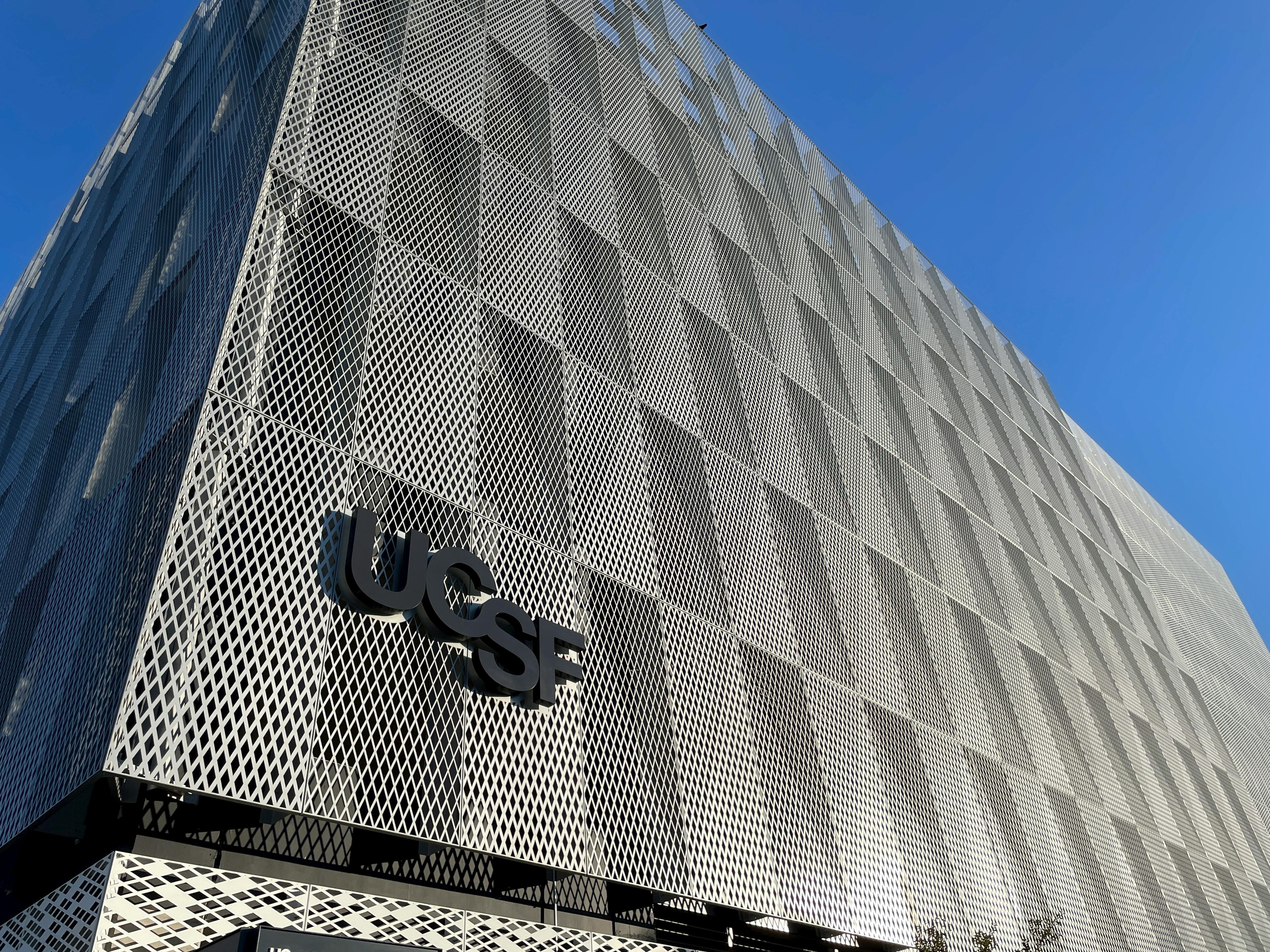
The UCSF School of Dentistry in San Francisco is one of the top dental schools in the country. UC Health reports that its dental schools, including UCSF, rank among the top five in the U.S. in the 2026 QS World University Rankings. Students get hands-on clinical training at the UCSF Dental Center and community-based clinics, which handle more than 120,000 patient visits a year.
That reputation draws a strong applicant pool. Admitted students in the Class of 2029 had an average GPA of 3.78 and an average DAT Academic Average of 23.1. Here's what the UCSF dental school acceptance rate looks like and what it takes to get in for the 2026-2027 cycle.
What is the Acceptance Rate in UCSF Dental School?
UCSF does not post an official acceptance rate on its School of Dentistry website. The school does say it interviews about 200 DDS applicants each year, and you need an interview to be admitted. With national applicant numbers at a 10-year high, those interview spots are hard to get. UCSF also reviews your whole application, so strong grades alone won't get you in.
Competition for dental school seats keeps growing. The American Dental Education Association (ADEA) reports that more than 13,600 people applied to dental school for the 2025 entering class. That is a 16% increase over the past decade. Applicant numbers are also growing faster than the number of first-year seats. At a top program like UCSF, only a small share of applicants get an offer.
How Many Applicants Get an Interview?
UCSF interviews about 200 DDS applicants each year. An invitation is a strong sign, but it does not guarantee an offer.
UCSF also runs a separate three-year International Dentist Pathway (IDP) for dentists trained outside the U.S. IDP students join the DDS curriculum in the second year. For the 2025 incoming IDP class, UCSF received 857 applications, interviewed 84 people, and filled 20 spots.
How UCSF Reviews Your Application
UCSF uses a holistic admissions process. The committee looks at your academic background, your motivation for a dental career, your potential for future success, and what it learns from your interview. Your personal statement and test scores also count.
The school welcomes applicants from all economic, social, and cultural backgrounds. In the Class of 2029, 37% of students came from groups that are historically underrepresented in dentistry. The class also represents 26 states and countries.
Does UCSF Prefer California Residents?
No. UCSF states that it does not give preference to California residents. Still, most of the class comes from California. In the Class of 2029, 71% of students were in-state, 26% came from out of state, and 3% were international.
Academic Averages for Admitted Students
Here is the academic profile of UCSF's Class of 2029, which entered in 2025.
| Measure | Range | Average |
|---|---|---|
| Cumulative GPA | 3.11 to 4.00 | 3.78 |
| Science GPA | 2.87 to 4.00 | 3.72 |
| DAT Academic Average | 18 to 28 | 23.1 |
| DAT Total Science | 18 to 30 | 23.2 |
The ranges tell you something useful. UCSF admitted students with GPAs as low as 3.11 and science GPAs as low as 2.87. A lower number can still work if the rest of your dental school application is strong.
A note on DAT scores: The DAT switched to a 200 to 600 scale on March 1, 2025. Since then, all DAT scores sent through ADEA AADSAS appear on the new scale, including older scores that were converted. UCSF still reports its class averages on the old 1 to 30 scale. Using the ADA's concordance table, UCSF's average Academic Average of about 23 equals roughly 470 on the new scale. For the 2026-2027 cycle, UCSF accepts DAT scores dated January 1, 2024, or later.
How to Increase Your Chances of Acceptance
Start by finishing your prerequisites and building a strong science GPA. Then work toward a DAT score and dental experience that match UCSF's admitted students. Submit your dental school application as early as you can, since verification takes several weeks. No single step guarantees admission, but meeting every requirement on time puts you in a much stronger position.
Complete the Prerequisites
UCSF requires the following coursework before you enroll.
| Subject | Semester Units | Quarter Units |
|---|---|---|
| English composition (two courses) | 6 | 8 |
| Inorganic (general) chemistry with lab | 8 | 12 |
| Organic chemistry with lab | 4 | 8 |
| Biochemistry (must be at a four-year institution) | 3 | 4 |
| Physics with lab | 8 | 12 |
| Biological sciences (general biology or zoology with lab) | 8 | 12 |
| General psychology | 3 | 4 |
| Social sciences, humanities, or foreign language electives | 11 | 16 |
| Additional electives | 42 | 63 |
| Total | 93 | 139 |
You need a minimum grade of C– in every prerequisite from English through general psychology. At least 29 semester units must come from a four-year institution. You can count up to 64 semester units from a community college.
AP and IB exams can cover part of some requirements. You still need at least one lab course in each lab science.
For your additional electives, UCSF recommends comparative vertebrate anatomy, embryology, genetics, and statistics. For the biology requirement, vertebrate zoology is strongly recommended.
You don't technically need a bachelor's degree to enroll. However, about 98% of accepted students have earned one before they start.
Preparing for the DAT
The DAT is a crucial component of the dental school application. It tests applicants on their knowledge of natural sciences, perceptual ability, reading comprehension, and quantitative reasoning. Therefore, thorough preparation is essential for achieving a high score.
There are many resources available to help applicants prepare for the DAT, including study guides, practice tests, and prep courses. Applicants should also consider forming study groups with other pre-dental students to share resources and strategies.
Read: How to Ace the Dental Admission Test (DAT): 5 Tips for Success
Top Coaches
Gaining Dental Experience
As mentioned earlier, dental-related experiences and activities can significantly enhance an applicant's profile. Therefore, applicants should seek out opportunities to shadow dentists, participate in dental research, and volunteer in dental clinics.
These experiences not only provide applicants with a deeper understanding of the profession but also demonstrate their dedication and passion for dentistry. Therefore, applicants with significant dental experience and activities may have a competitive edge in the admissions process.
Visit Campus
UCSF's Office of Admissions and Outreach offers campus tours on the first Wednesday of every month from 1:30 to 2:45 p.m. Pacific time. You can schedule a visit online. A tour gives you access to admissions staff and a closer look at the school.
Submit Your Application Early
You apply through ADEA AADSAS, the application service run by the American Dental Education Association. The application opens in mid-May, and you can submit it starting in early June. UCSF typically receives applications 4 to 6 weeks after you submit, as long as ADEA AADSAS has all your transcripts. Earlier applications give you a buffer if a transcript or letter arrives late.
The UCSF deadline is October 1 at 11:59 p.m. Eastern time. Your transcripts, letters of recommendation, and DAT scores must all reach ADEA AADSAS by that date. UCSF's supplemental questions appear in the UCSF section of the application, and there is a $75 application fee. Admission offers go out between December and March.
Conclusion
The UCSF School of Dentistry is one of the top dental schools in the country, and its admissions standards reflect that. UCSF interviews about 200 applicants a year. Its Class of 2029 averaged a 3.78 GPA and a DAT Academic Average of 23.1. Those numbers are high, but they are not a closed door. UCSF admitted students with GPAs as low as 3.11.
Your best move is to plan early. Finish your prerequisites on time and keep your science GPA strong. Give yourself enough time to prepare for the DAT. Build steady dental experience that shows you understand patient care. Then submit your application well before the October 1 deadline.
Want personalized feedback on your dental school application? Work with a top dental school admissions coach who has helped students get into programs like UCSF. A coach can help you sharpen your personal statement and build an activity list that reflects your career goals. Browse dental school admissions coaches here.
See: The 10 Best Dental Coaches for Application & Interview Prep
Top Coaches
Read these next:
- What Do You Learn in Dental School?
- Dental School Interview Guide
- The Different Types of Medical Careers – and Which One is Right for You
- An In-Depth Guide to the Dental School Application Timeline
- TMDSAS Personal Characteristics Essay: The Ultimate Guide
FAQs
How hard is it to get into UCSF Dental School?
- Very hard. UCSF interviews about 200 applicants each year, and you need an interview to be admitted. Admitted students in the Class of 2029 averaged a 3.78 GPA and a DAT Academic Average of 23.1. UCSF also looks closely at your dental experience and what it learns from your interview.
What is the UCSF dental school acceptance rate?
- UCSF does not publish an official acceptance rate on its School of Dentistry website. The school does share that it interviews about 200 DDS applicants a year. For context, the American Dental Education Association reports that more than 13,600 people applied to U.S. dental schools for the 2025 entering class.
What DAT score do I need for UCSF?
- UCSF's entering class averages about 23 in both Academic Average and Total Science on the old 1 to 30 scale. That is roughly 470 on the new 200 to 600 scale. Admitted students scored as low as 18 on the Academic Average, so a lower score can still work if the rest of your application is strong.
Can I get into UCSF Dental School with a lower GPA?
- Yes. In the Class of 2029, UCSF admitted students with cumulative GPAs as low as 3.11 and science GPAs as low as 2.87. UCSF uses a holistic review, so a strong DAT score and solid dental experience can help balance lower grades. Taking extra upper-division science courses can also show you're ready for the curriculum.
Does UCSF give preference to California residents?
- No. UCSF states that it does not give preference to California residents. Still, 71% of the Class of 2029 came from California. Out-of-state and international students made up the other 29%.
What kind of dental experience does UCSF look for?
- UCSF has no minimum, but it recommends at least 100 hours of shadowing or dental volunteering. Aim for hands-on patient care exposure, such as shadowing dentists or volunteering at community oral health clinics. Research experience is not required, but it can add depth to your application.
When should I take the DAT if I want to apply to UCSF?
- Take the DAT no later than September 1 of the year before you plan to start dental school. Finish your biology and chemistry courses first, including organic chemistry. Leave time for a possible retake, since UCSF will not hold your application while you wait for new scores.